
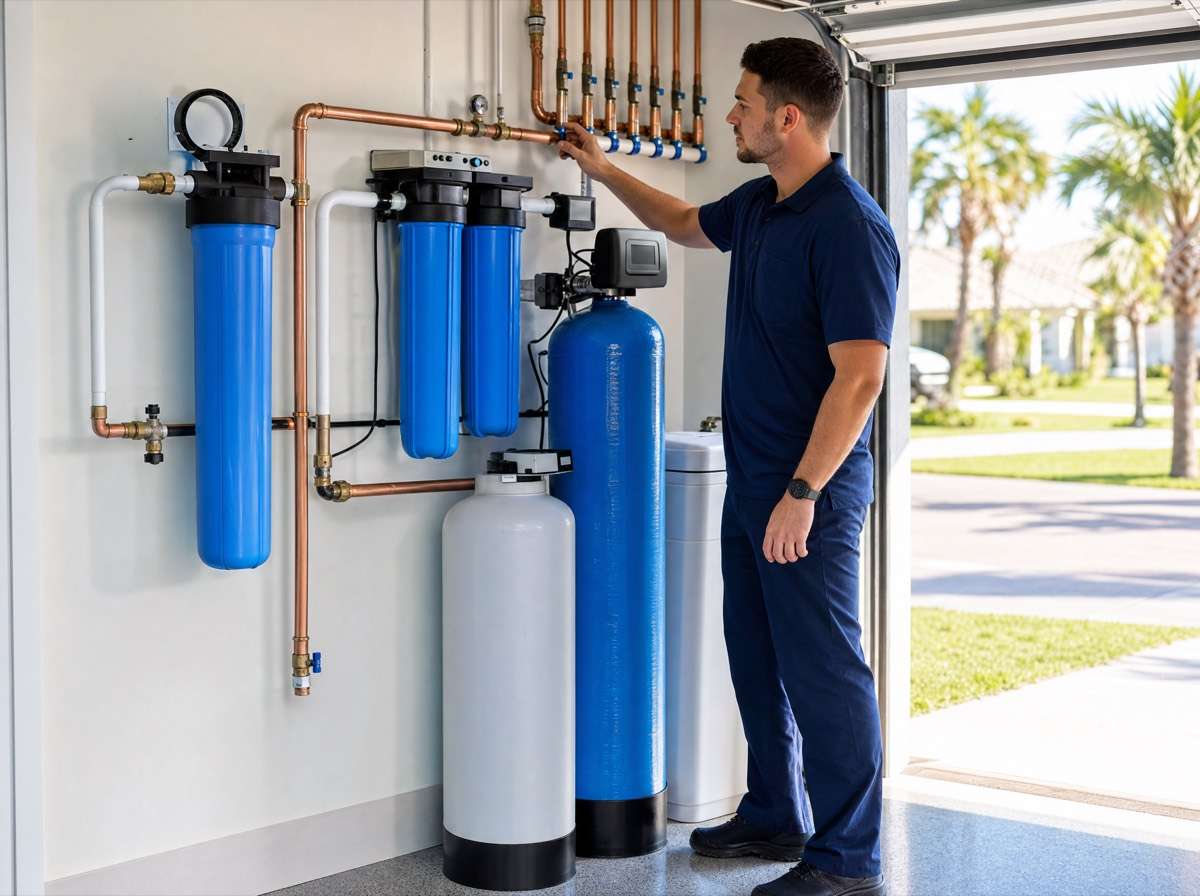
Before anyone sells you equipment, you should know your numbers. We test hardness, iron, pH and chlorine at your tap, plus sulfur and sediment on wells, free, in about fifteen minutes, with no obligation attached.
- Hardness in grains per gallon, measured not guessed
- Iron and pH for staining and corrosion risk
- Chlorine levels on city water
- Sulfur and sediment checks on well systems
- Plain-language results on the spot
- A written recommendation, even when it is 'you need nothing'
What the numbers mean
Above about 7 grains per gallon, softening starts paying for itself in appliance life and soap costs, and much of our region tests in the 10 to 20 range. Iron above 0.3 parts per million stains fixtures orange. Sulfur you already know about if you have it, and chlorine on city water is a taste and odor decision rather than a safety one. We put your results against those thresholds and tell you what is worth treating and what is not.
City water and well water are different problems
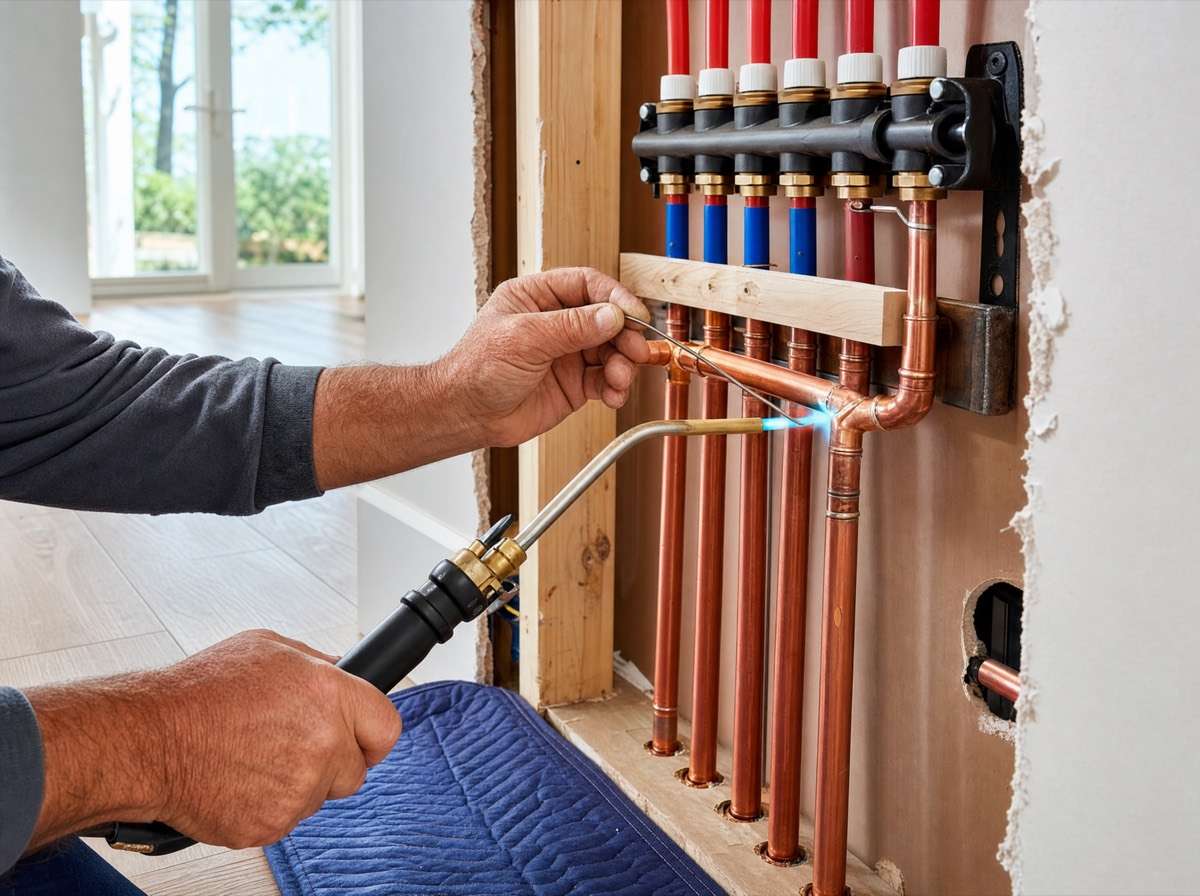
JEA water arrives disinfected but hard, so the conversation is scale and taste. Well water out toward Middleburg, Callahan and Macclenny arrives raw, so the order of operations matters: sediment, then iron and sulfur, then softening, then drinking-water polish. Equipment installed in the wrong order treats the symptom and wastes the media. The test is what gets the order right.
Water test questions we hear most
Yes. It is fifteen minutes with a test kit, and it is how we avoid quoting equipment nobody needs. If your numbers are fine we will say so and leave.
Annually for the basics, and any time taste, odor or staining changes suddenly. A sudden change in a well is information worth acting on quickly.
Bacteriological testing goes through a certified lab. We draw the sample correctly and handle the chain of custody, and lab fees are quoted upfront.
Need water test handled today?
Live dispatch, a written flat-rate price before work starts, and stocked trucks across all six counties.